The Power of 'Hi': Why Simple Greetings Matter More Than You Think
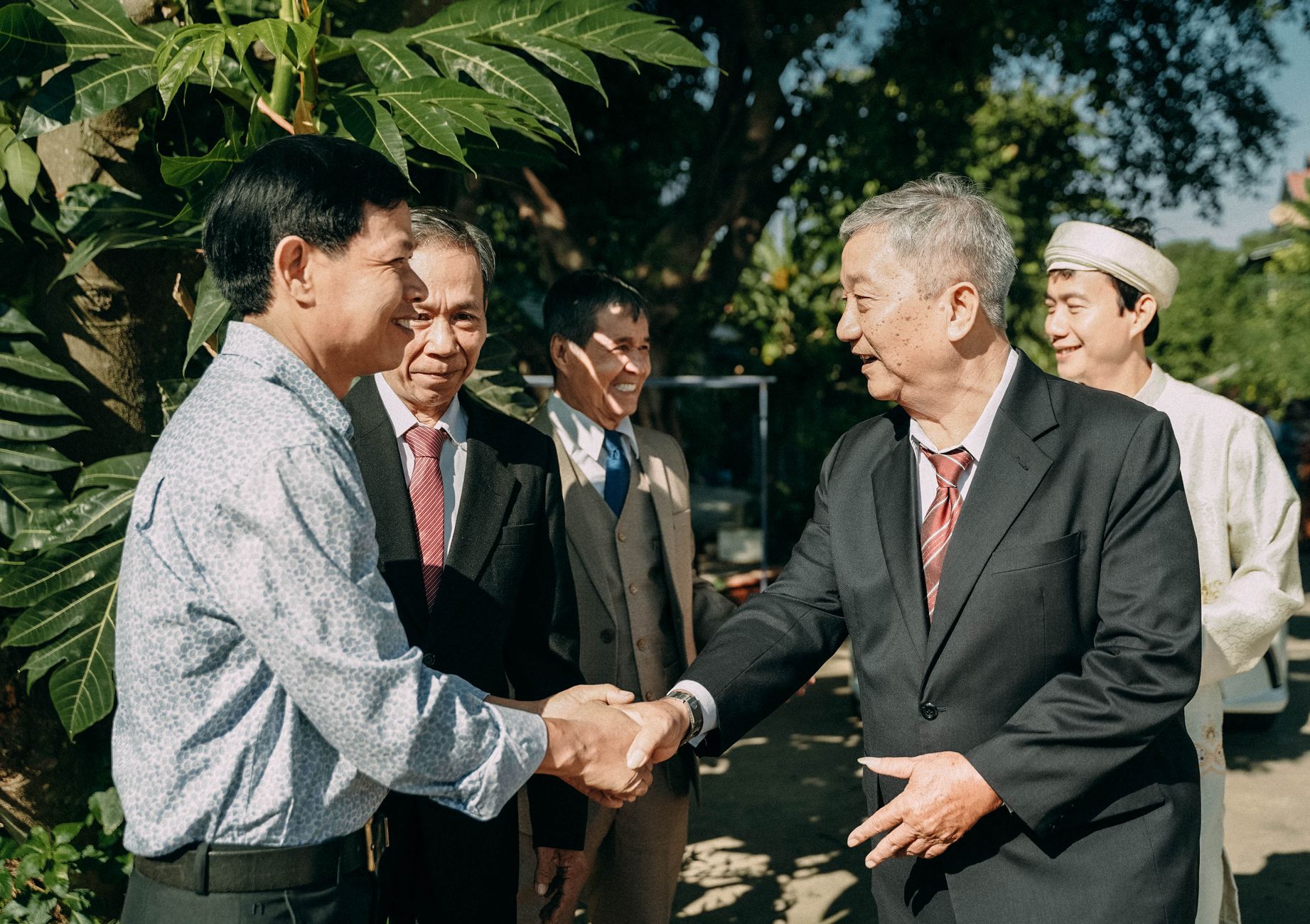
The Power of a Simple Greeting
It's just two letters. A breath of a word. Yet "hi" carries an extraordinary amount of weight in our daily interactions. This tiny greeting opens doors, builds bridges, and sometimes—just sometimes—changes the entire trajectory of our day.
We say it dozens of times without thinking. To the barista who makes our morning coffee. To a colleague passing in the hallway. To a stranger holding the elevator door. But when was the last time you really considered what happens in that split second when someone offers you a "hi" and you respond in kind?
Why We Underestimate "Hi"
In our quest for meaningful connections and deep conversations, we often overlook the humble "hi." We're told to network strategically, to craft perfect elevator pitches, to make memorable first impressions with witty opening lines. Meanwhile, "hi" sits quietly in the corner, unassuming and undervalued.
The truth is, every significant relationship in your life—every friendship, partnership, romance, or professional connection—started with some version of this simple greeting. Before the late-night conversations, the collaborative projects, or the shared experiences, there was a moment when two people acknowledged each other's existence with a word as simple as "hi."
The Science of Simple Greetings
Researchers have found that brief, positive social interactions have a surprisingly powerful impact on our well-being. A study from the University of British Columbia discovered that even minimal social interactions with strangers—a smile, a brief greeting—can boost happiness levels throughout the day.
When you say "hi" to someone, you're doing more than making noise. You're:
- Acknowledging their presence and value as a person
- Creating a micro-moment of connection in an often isolating world
- Opening a door to potential conversation or collaboration
- Releasing small amounts of dopamine and oxytocin in both your brains
- Establishing yourself as approachable and friendly
That's a lot of heavy lifting for two little letters.
When "Hi" Feels Hard
For all its simplicity, saying "hi" can sometimes feel like climbing a mountain. Social anxiety, cultural differences, past rejections, or simply having a bad day can make this basic greeting feel like an impossible task.
Some of us have walked past someone we know, desperately wanting to say hello but feeling paralyzed by overthinking. Will they remember me? Is this the right moment? What if they ignore me? The internal dialogue becomes so loud that the opportunity passes, leaving us feeling awkward and disconnected.
If this sounds familiar, remember: most people are so caught up in their own thoughts and concerns that they're often relieved when someone else takes the initiative to break the ice. Your "hi" might be exactly what they needed but couldn't bring themselves to offer first.
The Digital "Hi"
In our increasingly digital world, "hi" has evolved. It appears in text messages, emails, chat windows, and DMs. It's often accompanied by emojis, GIFs, or enthusiastic exclamation points. Sometimes it's spelled "hey," "heya," or "hiii" depending on the sender's enthusiasm level or relationship to the recipient.
The digital "hi" carries its own complexities. How many i's should you use? Is "hi" too formal for a text but too casual for an email? Does sending just "hi" without follow-up context annoy people who prefer to get straight to the point?
Despite these modern complications, the fundamental purpose remains the same: to initiate contact, to signal openness to communication, to say "I see you, and I'm here."
Cultural Variations on a Universal Theme
While "hi" is distinctly English, every language and culture has its equivalent—and the nuances are fascinating. Some cultures have different greetings for different times of day, different levels of formality, or different expectations about physical accompaniments like bows, handshakes, or kisses on the cheek.
What remains constant across cultures is the human need to acknowledge one another. Whether it's "hola," "bonjour," "namaste," "konnichiwa," or "jambo," we all have ways of saying "I acknowledge your presence, and I come in peace."
The Butterfly Effect of "Hi"
Consider how many pivotal life moments began with a simple greeting:
- The job interview that started with a nervous "hi" in the waiting room
- The relationship that began when someone finally said "hi" to their neighbor
- The business partnership that formed after a casual "hi" at a conference
- The lifelong friendship that started with a friendly "hi" on the first day of school
We can't predict which "hi" will matter. That's both the mystery and the magic of it. Each greeting is a small bet on human connection, a minor investment in the possibility that something good might come from acknowledging another person's existence.
Making Your "Hi" Count
If such a small word can carry such significance, perhaps it's worth being more intentional about how we use it. This doesn't mean overthinking every greeting—that defeats the purpose. Instead, it means being present enough to mean it when you say it.
A genuine "hi" includes eye contact, a smile, and attention—even if just for a moment. It's the difference between mumbling in someone's general direction while staring at your phone and actually pausing to acknowledge them as a fellow human being.
The quality of our greetings reflects the quality of our attention, and our attention is one of the most valuable gifts we can offer another person.
The Invitation Within "Hi"
Every "hi" is an invitation. Sometimes it's an invitation to a full conversation, other times merely an invitation to shared acknowledgment of the present moment. The beauty is that both people get to decide how far to accept the invitation.
Not every "hi" needs to lead somewhere. Some "hi's" are complete in themselves—perfect little moments of connection that ask nothing more than to be received with kindness.
So the next time you say "hi"—whether to a stranger, a friend, or someone you've known for years—remember that you're participating in one of humanity's oldest and most essential rituals. You're saying, in the simplest way possible, "I see you. You matter."
And really, isn't that what we're all hoping to hear?