The Economics of Urban Cycling: Save Thousands Annually
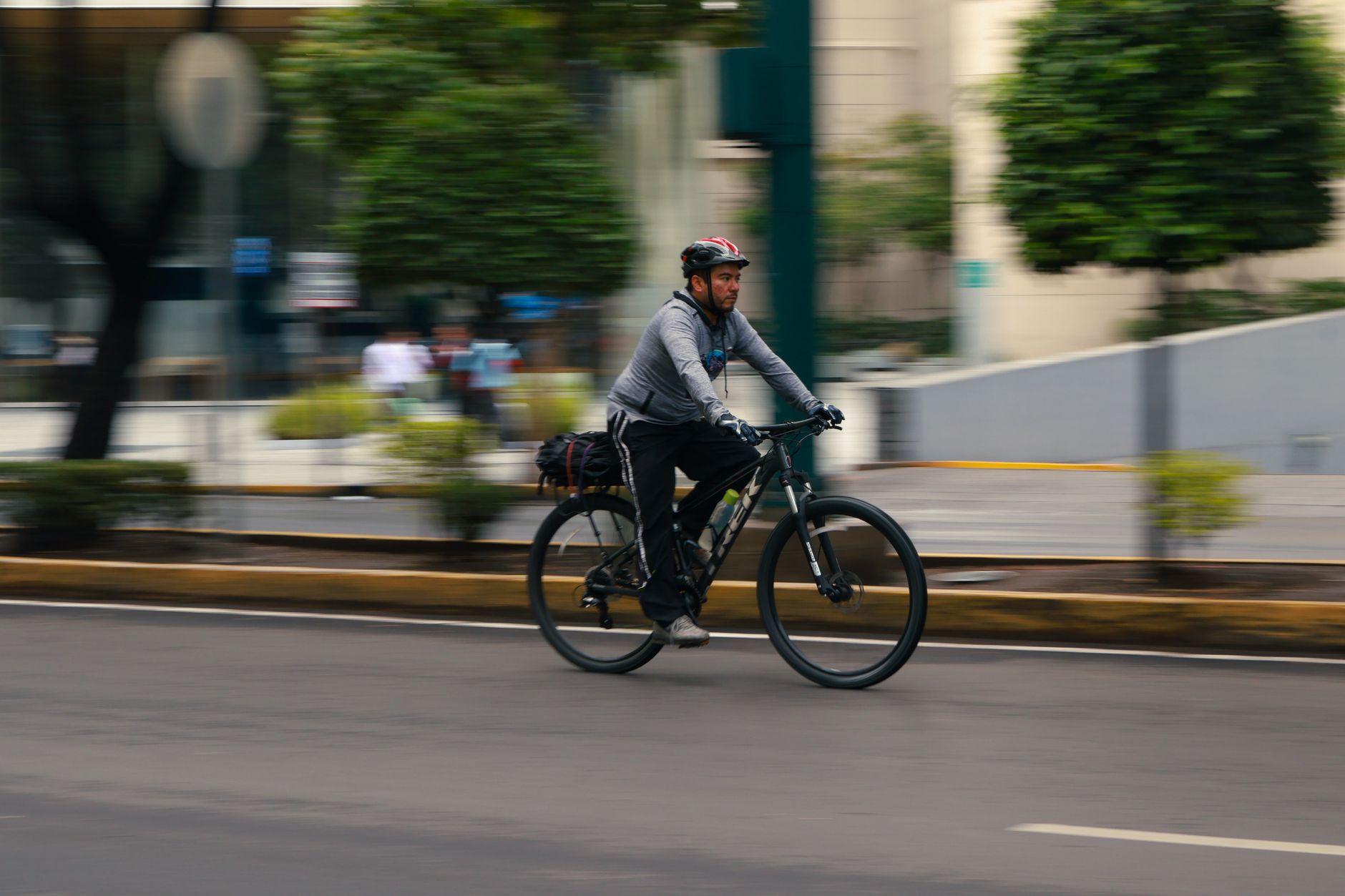
Why Your Bike Might Be the Smartest Financial Move You'll Make This Year
Let's talk money. Not investment portfolios or cryptocurrency, but something potentially more valuable: the economics of getting around on two wheels instead of four. Urban cycling isn't just an environmental statement or a fitness hack—it's a financial decision that can reshape your monthly budget in ways you might not expect.
The Real Cost of Car Ownership (Spoiler: It's Higher Than You Think)
The average American spends about $10,000 annually on car ownership. That's not a typo. Between car payments, insurance, gas, parking, maintenance, and registration fees, driving is expensive. And if you live in a major city? Add parking tickets, higher insurance rates, and the occasional tow to that tab.
Compare that to a decent commuter bicycle. You can get a solid ride for $500 to $1,500—a one-time expense that, even with maintenance, rarely exceeds $200 per year afterward. The math isn't subtle. Even if you keep your car and just reduce your driving by half, you're looking at thousands in annual savings.
Breaking Down the Bicycle Budget
Here's what cycling actually costs:
- Initial investment: $500-$1,500 for a quality commuter bike
- Essential accessories: $100-$300 (lights, lock, helmet, rain gear)
- Annual maintenance: $100-$200 (tune-ups, tire replacements, brake pads)
- Total first-year cost: Around $700-$2,000
- Subsequent years: $100-$200 annually
That first-year investment pays for itself within weeks if you're eliminating a car payment, or within months if you're just reducing gas and parking costs.
The Hidden Economic Benefits
The direct savings are obvious, but urban cycling delivers economic benefits that don't show up on your bank statement immediately—though they absolutely affect your bottom line.
Health Savings Are Real Savings
Regular cyclists spend significantly less on healthcare over their lifetimes. A study from the University of Glasgow found that bike commuters had a 41% lower risk of dying prematurely and were 46% less likely to develop heart disease. Fewer doctor visits, lower insurance premiums over time, and reduced medication costs add up. Some employers and insurance companies are catching on, offering wellness discounts for regular cyclists.
Time Is Money (Sometimes)
In congested urban areas, bikes often beat cars. During rush hour in cities like San Francisco, Portland, or Washington D.C., a bicycle can get you across town faster than a car stuck in traffic. You're not burning gas while idling, and you're not paying for parking when you arrive. Every minute you're not circling the block looking for parking is a minute back in your day.
The Productivity Bonus
This one's harder to quantify, but cyclists consistently report better focus and energy levels. That morning ride gets your blood flowing and arrives at work more alert than someone who just sat in traffic. Does this translate to better work performance and potentially higher earnings? Many cyclists swear it does.
What About When It Rains?
This is where the economics get interesting. You don't need to be a full-time cyclist to reap major financial benefits. Even cycling just three days per week can cut your transportation costs substantially. On rainy days or when you need to haul something large, you've got options: public transit, ride-sharing, or yes, keeping a car but using it far less frequently.
Some urban cyclists are discovering car-sharing services fill their occasional driving needs perfectly. Paying $50 twice a month for a Zipcar beats $500 monthly car payments every time.
The Infrastructure Factor
Cities that invest in cycling infrastructure see economic returns that benefit everyone, not just cyclists. Protected bike lanes and bike-share programs reduce traffic congestion, which has real economic costs. The Texas A&M Transportation Institute estimates that traffic congestion costs the U.S. economy $166 billion annually in wasted time and fuel.
When more people cycle, everyone benefits from:
- Reduced road maintenance costs (bikes don't damage roads like cars do)
- Less demand for expensive parking infrastructure
- Improved air quality reducing healthcare costs city-wide
- Increased retail activity (cyclists stop more frequently at local businesses)
Studies in commercial districts show that while drivers spend more per visit, cyclists visit more frequently and spend more overall monthly. That bike lane in front of your favorite coffee shop? It's probably good for their business.
The Equity Angle
Cycling is one of the most economically democratic forms of transportation available. You don't need a down payment, good credit, or even a driver's license. For low-income urban residents, reliable bicycle access can be transformative—expanding job opportunities by making distant workplaces accessible without bus fare or car expenses.
Cities that recognize this are investing in bike-share programs with income-based pricing and community bike shops offering affordable repairs and refurbished bicycles. These aren't just feel-good programs; they're economic development strategies.
Making the Numbers Work for You
Transitioning to urban cycling doesn't require an all-or-nothing approach. Start by calculating your current transportation costs honestly—including everything from insurance to parking meters. Then experiment with cycling for some trips and track what you save.
Many people find that even replacing just their short car trips (under three miles) with bike trips saves them $100-$200 monthly. Scale up from there based on your comfort level and city infrastructure.
The Investment That Pays You Back
Unlike most purchases, a bicycle is one of the few things you can buy that literally pays you back. Every mile you ride instead of drive puts money back in your pocket. Over a decade of regular urban cycling, you could easily save $50,000 or more compared to car ownership.
That's a down payment on a house. That's retirement savings. That's your kid's college fund. All from swapping some car trips for bike trips.
The economics of urban cycling aren't complicated. You spend less, save more, and probably feel better doing it. In a world where everything seems to get more expensive every year, your bicycle might just be the best deal in town.