Effects of Diaspora Voting on Nigeria's Political Future
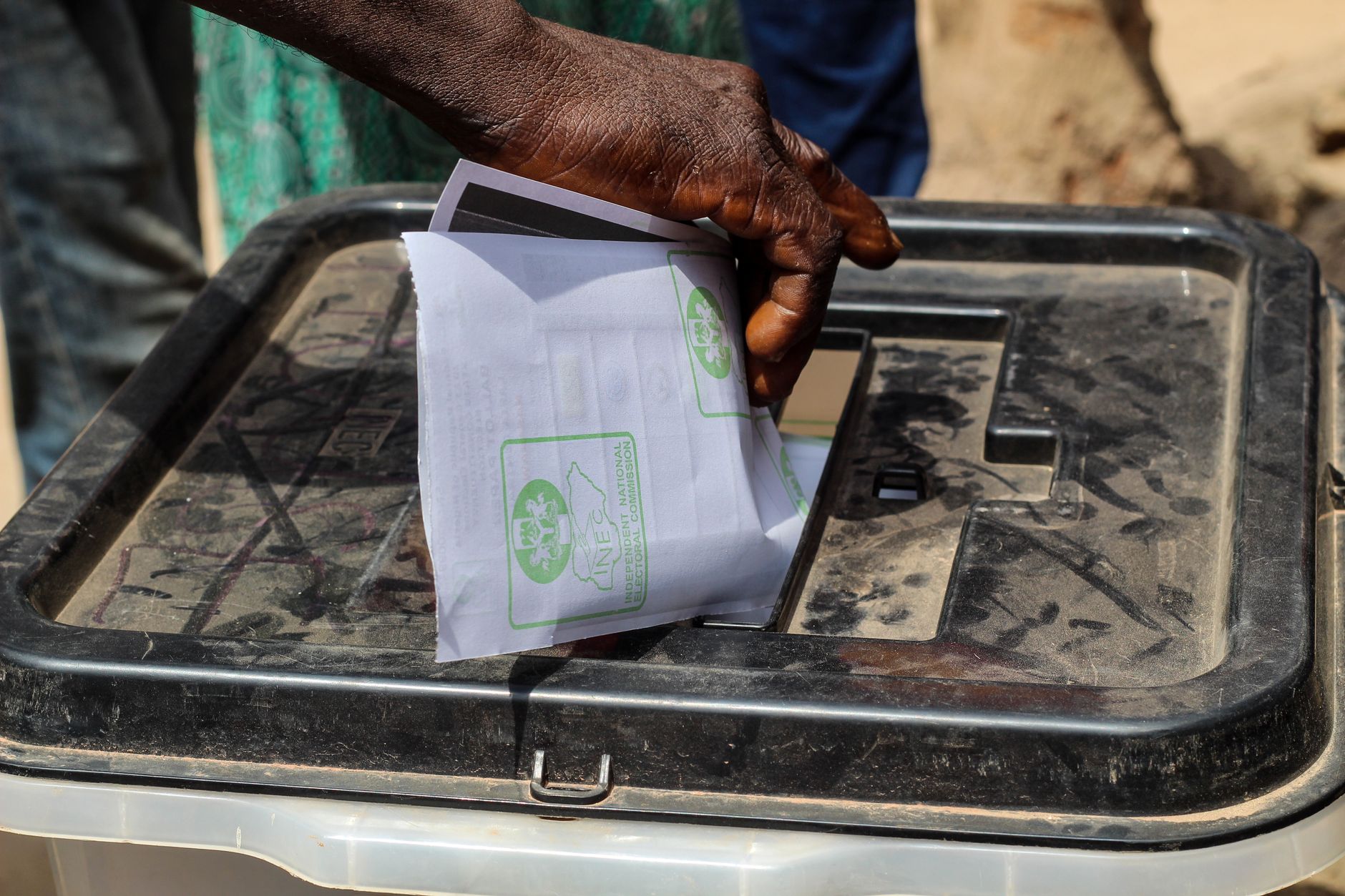
Why Diaspora Voting Matters for Nigeria
Imagine having over 17 million of your citizens scattered across the globe—from London to New York, Dubai to Johannesburg—unable to participate in choosing who leads their homeland. That's been Nigeria's reality for decades. But the conversation around allowing Nigerians in the diaspora to vote has been heating up, and the potential effects of making this happen could reshape the country's political landscape in ways we're only beginning to understand.
The Nigerian diaspora community isn't just large; it's influential, educated, and increasingly vocal about wanting a say in their country's future. So what would actually happen if these millions of Nigerians could cast their ballots from abroad?
A Massive Expansion of the Electoral Base
First things first: we're talking about adding millions of potential voters to Nigeria's electoral register. The exact number varies depending on which estimate you trust, but conservative figures put eligible diaspora voters at around 15-17 million people. To put that in perspective, the margin of victory in Nigeria's 2023 presidential election was roughly 1.8 million votes.
This isn't just a minor adjustment—it's a fundamental shift in the mathematics of Nigerian democracy. States that might have seemed safely in one party's column could suddenly become competitive. Presidential candidates would need to think beyond Nigeria's borders when crafting their campaigns and messages.
Economic Implications and Remittance Politics
Here's something that often gets overlooked: Nigerians abroad sent home approximately $20 billion in remittances in 2022 alone. That's more than the country earns from many of its natural resources. These aren't people watching from the sidelines—they're actively invested in Nigeria's economy, often supporting multiple family members and funding projects back home.
When people with that level of financial stake get voting rights, politicians will have to pay attention. We'd likely see:
- More policies focused on facilitating easier money transfers and reducing remittance fees
- Greater attention to dual citizenship issues and property rights for diasporans
- Investment incentives specifically designed to attract diaspora capital
- Infrastructure projects that make it easier for diasporans to do business in Nigeria
Politicians follow the votes, and votes from people contributing $20 billion annually to the economy? Those votes would carry significant weight.
The Brain Gain Versus Brain Drain Conversation
Nigeria has long struggled with brain drain—the exodus of its best and brightest seeking opportunities elsewhere. Diaspora voting could fundamentally change this narrative. Instead of viewing emigrants as lost resources, they could be reconceptualized as an extended network of invested stakeholders.
With voting rights, diaspora communities might feel more connected to Nigeria's trajectory. This could translate into increased willingness to invest, mentor young professionals back home, or even eventually return. Some countries that implemented diaspora voting have seen a measurable increase in return migration and diaspora investment, particularly when coupled with other supportive policies.
Higher Standards of Governance and Accountability
This is where things get really interesting. Nigerians in the diaspora have experienced different systems of governance. They've seen how things work in countries with stronger institutions, better infrastructure, and more accountable leaders. They're unlikely to accept the same excuses or tolerate the same levels of dysfunction that sometimes characterize domestic politics.
Diaspora voters would likely prioritize issues like:
- Transparent government spending and anti-corruption measures
- Quality infrastructure, especially airports, roads, and digital services
- Healthcare and education standards comparable to international norms
- Security and rule of law
- Economic policies that promote sustainable growth rather than patronage
Politicians courting diaspora votes would need to elevate their game. Campaign promises would be measured against international standards, not just regional comparisons. This rising tide could lift all boats, improving governance for everyone.
The Technology and Logistics Challenge
Of course, implementing diaspora voting isn't as simple as flipping a switch. Nigeria would need to tackle significant logistical challenges. How do you verify the identity of voters scattered across 180+ countries? How do you prevent fraud? What about countries where setting up polling stations might be politically complicated?
Some nations have used postal voting, others have relied on embassies and consulates, and a few pioneering countries are experimenting with secure online voting systems. Nigeria would need to choose its approach carefully, balancing accessibility with security. The good news? There's no need to reinvent the wheel—plenty of countries have already navigated these waters and offer valuable lessons.
Potential Shifts in Political Dynamics
Here's where political analysts get excited: diaspora voting could scramble Nigeria's traditional political calculations. Diaspora communities might not vote along the same ethnic or regional lines that often characterize domestic politics. Geographic distance can sometimes provide perspective that transcends local loyalties.
We might see diaspora voters prioritizing competence over ethnicity, or backing candidates with international experience and credentials. They might be more susceptible to digital campaigning and social media messaging, but also more resistant to some traditional political tactics. This could force political parties to become more issues-focused and less reliant on identity politics.
Strengthening National Identity
There's something powerful about having a vote. It's not just a piece of paper or a digital record—it's a statement of belonging. Allowing diaspora Nigerians to vote sends a clear message: you're still part of this story, your voice matters, and we value your connection to home.
This psychological effect shouldn't be underestimated. Second and third-generation Nigerians abroad might feel more connected to their heritage. Young professionals might think twice before completely severing ties. The Nigerian identity could become more inclusive and expansive, encompassing a truly global community.
The Road Ahead
Despite constitutional and legislative hurdles that have repeatedly blocked diaspora voting in Nigeria, the momentum keeps building. As more African countries implement their own diaspora voting systems—Kenya, Ghana, and Rwanda among them—Nigeria faces increasing pressure to follow suit.
The effects of diaspora voting would ripple through Nigerian society in ways both predictable and surprising. From election outcomes to policy priorities, from governance standards to national identity, almost every aspect of Nigerian political life would feel the impact.
Whether this happens in the next election cycle or takes another decade, one thing seems clear: the question isn't really whether Nigerians abroad should vote, but when and how. The diaspora isn't going anywhere—if anything, it's growing. And the longer Nigeria waits to harness this resource, the more opportunity it leaves on the table.
For a country facing serious challenges and seeking sustainable solutions, 17 million invested, educated, globally-connected voices seems like exactly the kind of resource you'd want in your corner.