Data Center Power Consumption: The Hidden Energy Crisis
The Growing Energy Appetite of Our Digital World
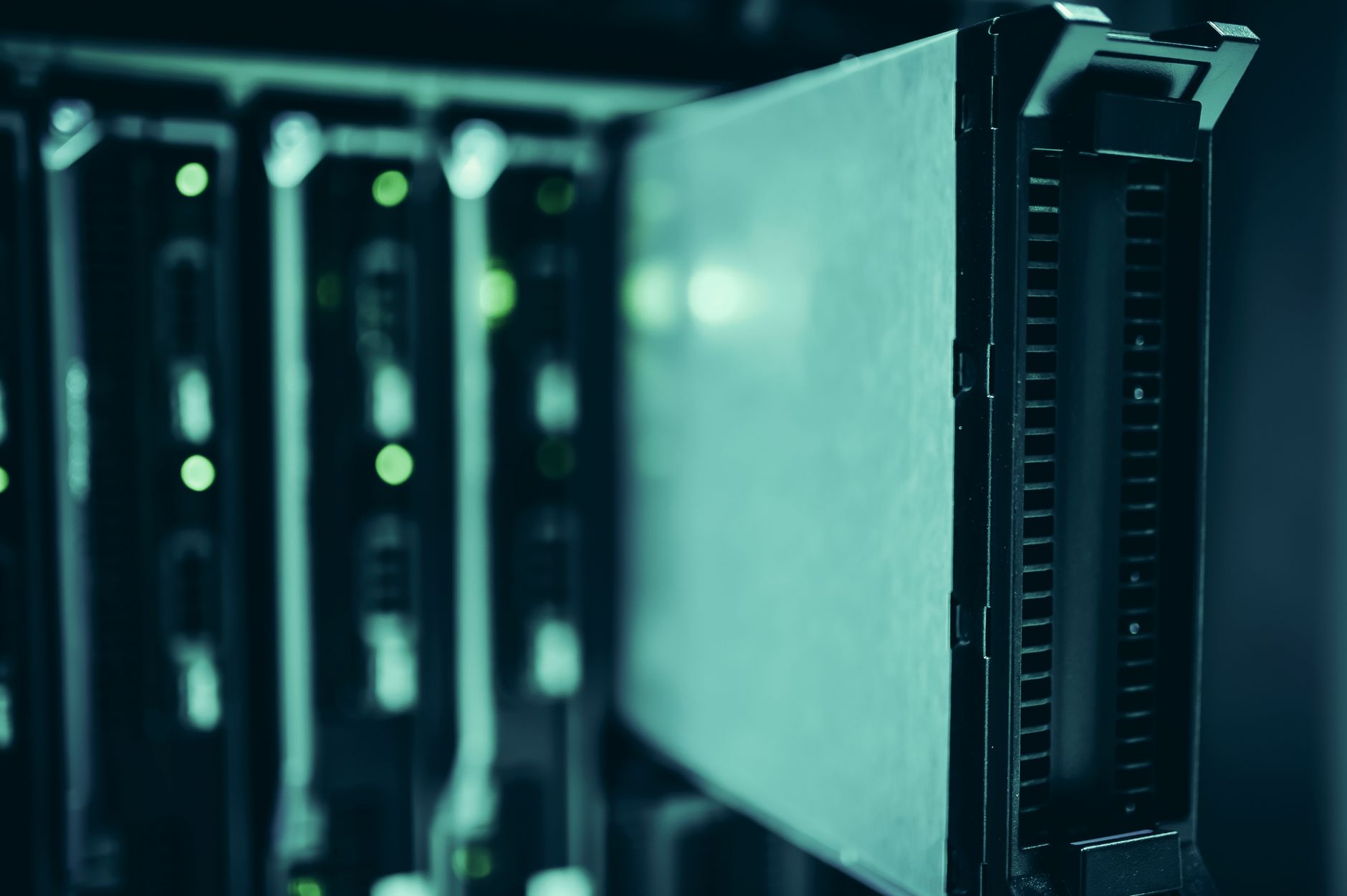
Every time you stream a movie, send an email, or ask your smart speaker for the weather, you're tapping into vast warehouses filled with humming servers. These data centers are the invisible backbone of our digital lives, and they're consuming electricity at a staggering—and growing—rate.
To put it in perspective, global data centers currently use about 1-2% of the world's electricity. That might not sound like much, but we're talking about roughly 200-250 terawatt-hours annually. That's more than the entire energy consumption of many countries. And here's the kicker: this number is expected to double or even triple by 2030 as our appetite for cloud services, AI, and streaming continues to grow.
Why Do Data Centers Need So Much Power?
The simple answer is that modern data centers are essentially cities of computers working around the clock. But let's break down where all that energy actually goes.
Computing Power
The servers themselves—the machines doing all the actual computing work—consume the lion's share of electricity. When you're running thousands or even millions of processors simultaneously, handling everything from social media feeds to complex financial transactions, the energy demands add up quickly. And with the rise of artificial intelligence and machine learning, which require massive computational resources, this portion of the energy pie is growing faster than ever.
Cooling Systems
Here's something that surprises most people: nearly as much energy goes into cooling data centers as powering them. All those servers generate tremendous heat, and if left unchecked, they'd quickly overheat and fail. Data centers use sophisticated cooling systems—air conditioning, liquid cooling, and increasingly creative solutions—to keep temperatures in check. In some facilities, cooling accounts for 40% or more of total energy consumption.
Supporting Infrastructure
Beyond the servers and cooling, data centers need power for lighting, security systems, fire suppression, and backup generators. They also lose energy through power conversion and distribution—when electricity moves through transformers and converts from AC to DC power, some energy is inevitably lost as heat.
The Environmental Impact Nobody Talks About
The environmental footprint of data centers extends beyond just electricity consumption. The carbon emissions associated with that power usage depend heavily on where the data center is located and what energy sources feed the local grid.
A data center in Iceland, powered largely by geothermal and hydroelectric energy, has a dramatically different carbon footprint than one in a region dependent on coal. This geographic reality has led to some fascinating trends, with companies strategically locating facilities in places with abundant renewable energy or favorable climates that reduce cooling needs.
Water consumption is another often-overlooked concern. Many cooling systems rely on water evaporation, and a single large data center can use millions of gallons of water daily—roughly equivalent to a small city. In drought-prone regions, this raises serious questions about sustainability and resource allocation.
The AI Boom Is Changing Everything
If you think data center power consumption is high now, artificial intelligence is about to make the current numbers look quaint. Training a single large AI model can consume as much electricity as several hundred homes use in an entire year. As AI becomes more integrated into everyday applications—from search engines to customer service chatbots—the energy demands are skyrocketing.
Some estimates suggest that AI-related computing could account for 10-20% of data center electricity consumption by 2030, up from just a few percent today. This doesn't even account for the inference phase, when those trained models actually run and respond to user queries billions of times per day.
Innovation in Efficiency
The good news is that the industry isn't sitting idle. Data center operators are pursuing efficiency improvements on multiple fronts, and some of the innovations are genuinely impressive.
Smarter Cooling Solutions
Companies are getting creative with how they keep servers cool. Some are using outside air when temperatures permit, a technique called "free cooling." Others are experimenting with liquid cooling systems that circulate water or specialized fluids directly around processors, which is far more efficient than air conditioning entire rooms.
Microsoft even tested placing data centers underwater, where the ocean naturally dissipates heat. While that particular experiment has limitations, it demonstrates the kind of outside-the-box thinking happening in the industry.
Better Hardware and Software
Modern servers are dramatically more efficient than their predecessors. Chip manufacturers have made tremendous strides in performance-per-watt, meaning you get more computing power for each unit of electricity consumed. Meanwhile, software optimization and workload management systems ensure servers aren't running unnecessarily or sitting idle while still consuming power.
Renewable Energy Commitments
Major tech companies have made ambitious commitments to power their data centers with renewable energy. Google claims to match 100% of its electricity consumption with renewable energy purchases. Amazon, Microsoft, and others have made similar pledges, investing billions in wind and solar projects.
However, it's worth noting that "matching" consumption with renewables doesn't always mean data centers run on clean energy every hour of every day—it often means purchasing renewable energy credits or investing in projects that feed the broader grid.
What the Future Holds
The trajectory of data center power consumption depends on a race between two forces: increasing demand for digital services versus improving efficiency.
On one hand, we're moving toward an increasingly digital world. The Internet of Things is connecting billions of devices. Video is shifting to higher resolutions like 4K and 8K. Virtual and augmented reality applications are emerging. All of this requires more data processing and storage.
On the other hand, efficiency improvements continue to accelerate. Some researchers believe we could see data centers that produce near-zero carbon emissions within the next decade, powered entirely by renewables with waste heat recycled for productive purposes—like heating nearby buildings or greenhouses.
Why This Matters to Everyone
You might think data center energy consumption is just a concern for tech companies and environmentalists, but it affects all of us. Higher energy consumption means higher costs, which eventually get passed on to consumers through subscription prices and service fees. It also means increased strain on electrical grids, particularly during peak demand periods.
More fundamentally, how we power our digital infrastructure will play a significant role in whether we meet global climate goals. As data centers become an increasingly large slice of worldwide electricity consumption, their energy sources and efficiency matter more each year.
The invisible infrastructure powering our digital lives isn't so invisible anymore when it comes to its environmental footprint. As users of these services, we're all stakeholders in pushing for more sustainable solutions—even if that just means being aware of the tremendous energy flowing through the cables every time we click, stream, or scroll.