Cutover Smoke Testing: Essential Guide for System Migrations
What Is Cutover Smoke Testing?
Imagine you're about to flip the switch on a major software upgrade, a system migration, or a complete platform overhaul. You've spent months planning, developing, and testing. The big day arrives, you execute the cutover—switching from the old system to the new one—and then... what? Do you just cross your fingers and hope everything works?
That's where cutover smoke testing comes in. It's the critical safety check you perform immediately after a system cutover to verify that the essential functions are working as expected. Think of it as the "is this thing on?" test for your newly deployed system.
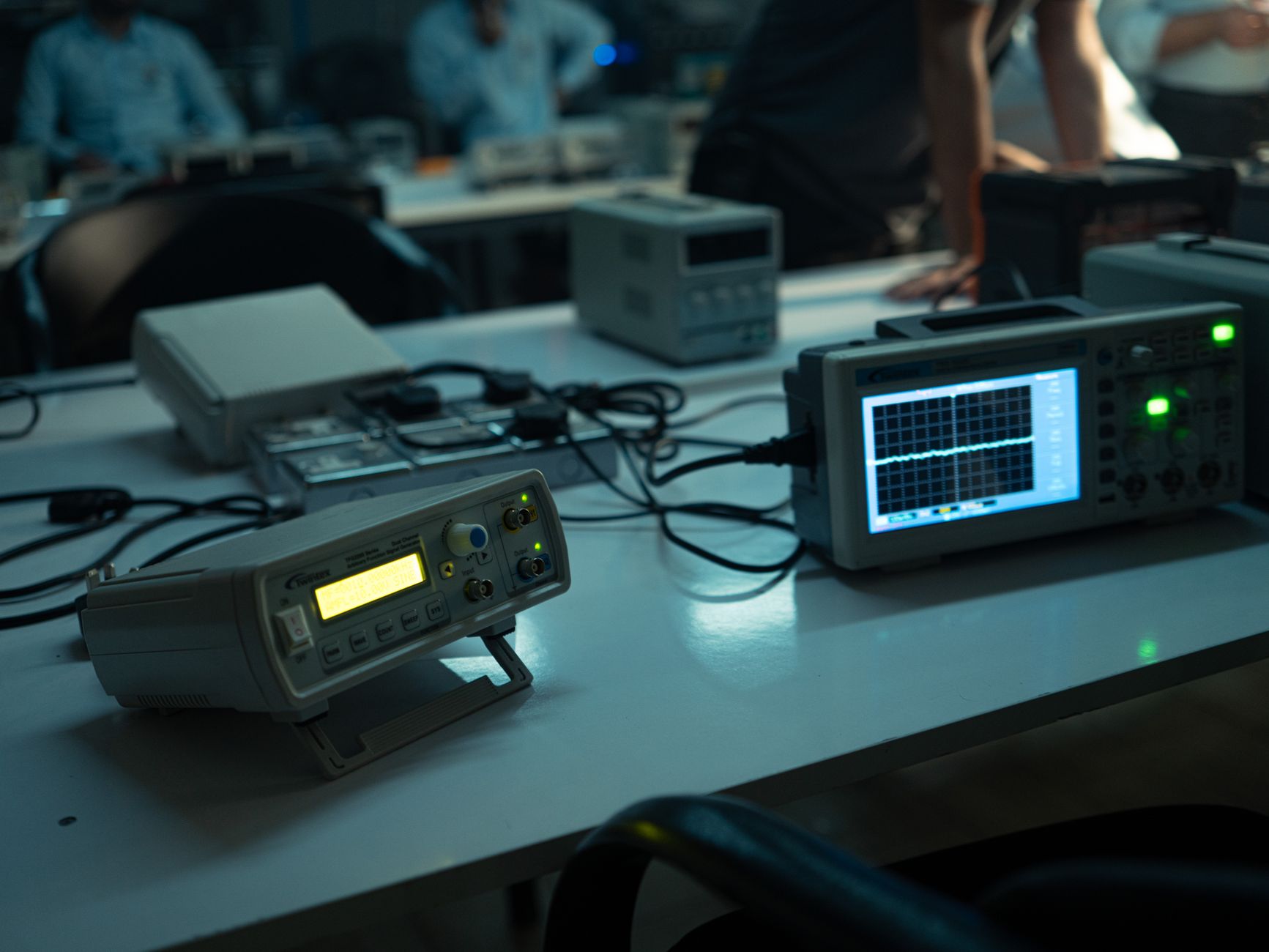
The term "smoke testing" actually comes from hardware engineering. If you turned on a device and saw smoke, you knew something had gone terribly wrong. In software, smoke testing serves a similar purpose: it's a quick, high-level verification to ensure nothing is catastrophically broken before you proceed further or allow users back into the system.
Why Cutover Smoke Testing Matters
During a cutover event, you're operating in a high-pressure environment with limited time windows. Systems are down, users are waiting, and stakeholders are watching the clock. You need rapid confirmation that the cutover was successful before you can declare victory or, at minimum, before you let real users start working in the new environment.
Cutover smoke testing addresses several critical needs:
- Early problem detection: Catching major issues within minutes rather than hours prevents cascading failures and reduces downtime.
- Go/no-go decision support: Provides objective criteria for determining whether to proceed with the cutover or initiate rollback procedures.
- Stakeholder confidence: Demonstrates due diligence and gives leadership concrete evidence that critical functions are operational.
- User impact minimization: Prevents exposing end-users to a broken system, which protects both productivity and your organization's reputation.
Without proper smoke testing, you're essentially flying blind in those crucial first moments after cutover. You might not discover critical failures until users start complaining, tickets start flooding in, or worse—data starts getting corrupted.
What Should Cutover Smoke Tests Include?
The key to effective smoke testing is selectivity. You're not running your entire test suite—that comes later. You're checking the absolute essentials, the core functions that must work for the system to be considered viable.
Core Functionality
Start with the fundamental capabilities that define your system's purpose. For an e-commerce platform, can users browse products and place orders? For a financial system, can transactions be recorded and balances calculated? Identify the top three to five functions that, if broken, would make the system unusable.
Critical Integrations
Most modern systems don't operate in isolation. Test the connections to essential external systems: payment gateways, authentication services, databases, APIs, and data feeds. A beautifully migrated system that can't talk to your payment processor is still a failed cutover.
Data Integrity Checks
Verify that your data made the journey intact. This might include spot-checking record counts, validating that key data elements are present and properly formatted, and confirming that relationships between data entities remain intact. You're not doing a comprehensive data audit here—just enough to confirm nothing was catastrophically lost or corrupted in transit.
User Access and Authentication
Can users actually log in? Do they have appropriate permissions? Can they access their data? These basic access checks are often overlooked in the rush of cutover activities, but they're showstoppers if they fail.
Performance Baselines
While detailed performance testing comes later, your smoke tests should confirm that the system is responding within acceptable parameters. If a page that normally loads in two seconds is now taking two minutes, that's a smoke test failure even if the page eventually loads.
Planning Your Cutover Smoke Testing Strategy
Effective smoke testing doesn't happen by accident. It requires planning, documentation, and clear ownership.
Create Explicit Test Scripts
Document your smoke tests in advance as clear, step-by-step procedures. During the chaos of a cutover event, you don't want people improvising or trying to remember what they're supposed to check. Your smoke test scripts should be executable by someone familiar with the system but not necessarily the person who developed it.
Define Success Criteria
For each test, establish explicit pass/fail criteria. Subjective assessments like "seems to work okay" won't cut it when you're making critical go/no-go decisions. Specify expected results, acceptable response times, and any specific data or messages you should see.
Assign Clear Ownership
Designate who will execute each test, who will verify results, and who has authority to make the go/no-go decision based on the outcomes. During high-stress cutover events, ambiguity about roles leads to delays and mistakes.
Time-Box Your Testing
Smoke testing should be fast—typically 15 to 45 minutes depending on system complexity. If your smoke tests are taking hours, you're doing too much. Remember, comprehensive testing happens after smoke testing confirms the system is viable enough to warrant that investment.
Common Pitfalls to Avoid
Even experienced teams can stumble when it comes to cutover smoke testing. Here are some traps to watch out for:
Testing too much: Trying to verify everything defeats the purpose of smoke testing. Stay focused on critical paths only. Comprehensive testing comes after you've confirmed the basics work.
Testing too little: On the flip side, checking only that "the system is up" without verifying actual functionality is equally problematic. A system can be running without actually working.
Using production data carelessly: If your smoke tests modify data, make sure you're using test accounts or clearly marked test data. The last thing you need is smoke tests that corrupt real customer information.
Lacking rollback criteria: Define in advance what test failures would trigger a rollback decision. Without clear criteria, you risk debates and delays when you can least afford them.
Skipping documentation: Always document your smoke test results, even if everything passes. This becomes invaluable evidence for post-cutover reviews and future planning.
Beyond the Smoke Test
Remember that passing smoke tests doesn't mean your cutover is complete or that your system is fully validated. It simply means you've cleared the first hurdle and confirmed that critical functions are operational.
After successful smoke testing, you'll typically proceed to more comprehensive testing, user acceptance verification, performance monitoring, and gradual user onboarding. But none of that matters if you don't first confirm—through disciplined cutover smoke testing—that you have a viable system to work with.
When planned and executed well, cutover smoke testing transforms chaotic "hope and pray" deployments into controlled, professional transitions with clear quality gates and objective success criteria. It's not glamorous work, but it's the difference between a successful cutover and a very long night.