All About Batteries: How They Work & Types Explained
The Powerhouses in Your Pocket: Understanding Modern Batteries
Batteries are everywhere. They're in your smartphone, your car, your laptop, and probably sitting in a drawer somewhere in your kitchen. Despite being such a fundamental part of modern life, most of us don't really understand how they work or why some batteries last longer than others. Let's change that.
What Actually Happens Inside a Battery?
At its core, a battery is a device that converts chemical energy into electrical energy through a reaction between two different materials. Think of it as a tiny chemical factory that produces electricity on demand.
Every battery has three essential components: two electrodes (an anode and a cathode) and an electrolyte. The anode is the negative terminal, the cathode is the positive terminal, and the electrolyte is the medium that allows charged particles to move between them. When you connect a battery to a device, electrons flow from the anode through your device to the cathode, creating an electrical current that powers whatever you've plugged in.
The magic happens because the materials in the anode want to give up electrons, while the materials in the cathode want to receive them. This natural tendency creates the flow of electricity. When the battery runs out, it means the chemical reaction has reached a point where it can no longer push electrons from one side to the other.
Primary vs. Rechargeable Batteries
Batteries fall into two main categories: primary (single-use) and secondary (rechargeable). Understanding the difference helps you choose the right battery for the right job.
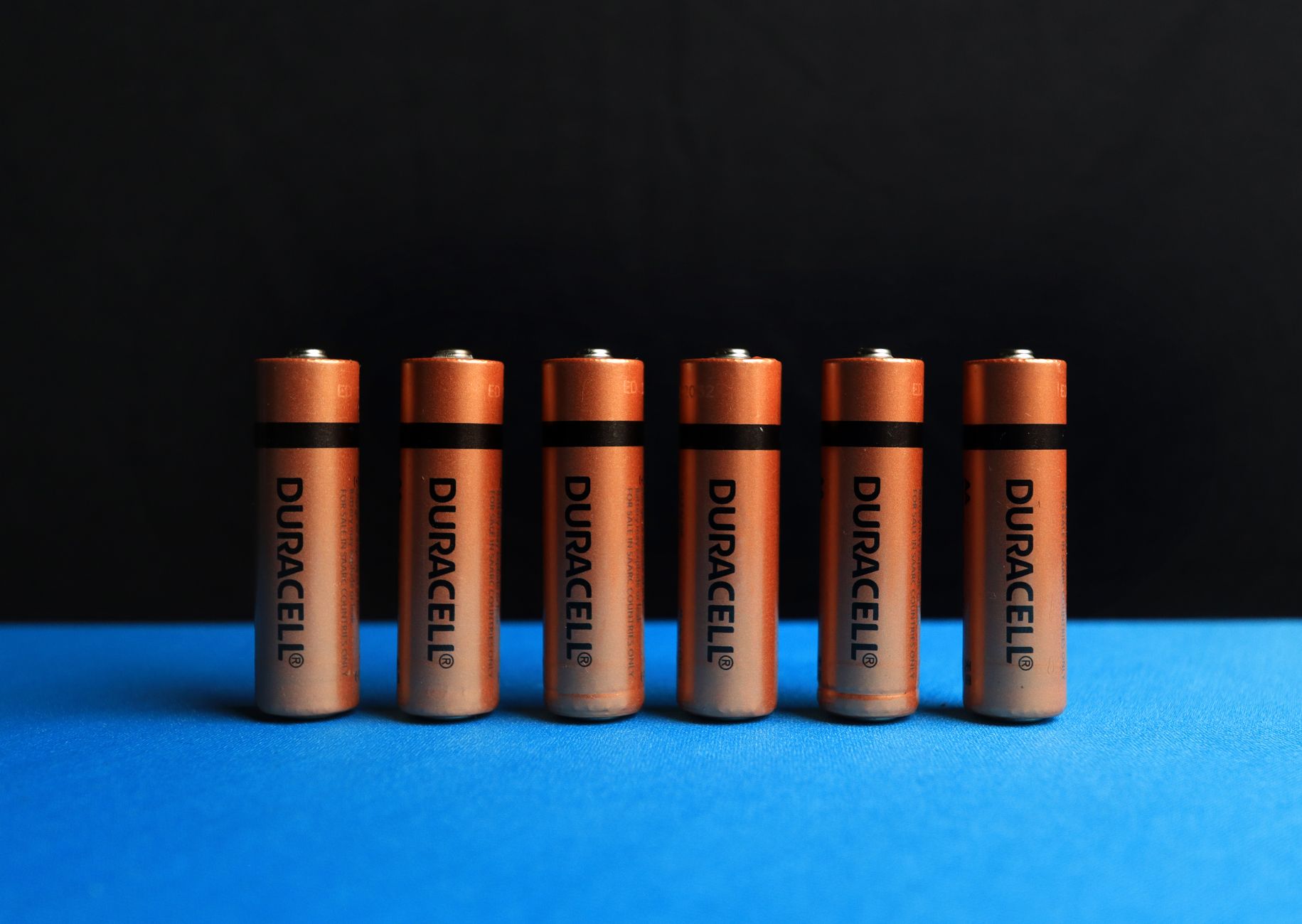
Primary batteries are designed for one-time use. The classic alkaline batteries you buy at the store—those AA, AAA, C, and D cells—fall into this category. Once the chemical reaction is complete, these batteries are done. They're great for devices that don't consume much power, like remote controls, wall clocks, or flashlights you only use occasionally.
Rechargeable batteries use reversible chemical reactions. When you plug them into a charger, you're essentially forcing the chemical reaction to run backward, restoring the battery to its original state. Lithium-ion, nickel-metal hydride, and lead-acid batteries all fall into this category. While they cost more upfront, they can be recharged hundreds or thousands of times, making them more economical and environmentally friendly for high-drain devices.
The Lithium-Ion Revolution
When we talk about modern batteries, we're usually talking about lithium-ion batteries. They've revolutionized portable electronics because they pack a lot of energy into a small, lightweight package.
Lithium-ion batteries have several advantages that make them perfect for smartphones, laptops, and electric vehicles. They have high energy density, meaning they store a lot of power relative to their weight. They also don't suffer from the "memory effect" that plagued older rechargeable batteries—you can charge them whenever you want without worrying about reducing their capacity.
However, lithium-ion batteries aren't perfect. They degrade over time regardless of use, which is why your smartphone battery doesn't last as long after a couple of years. They're also sensitive to extreme temperatures and can be dangerous if damaged or poorly manufactured, which is why you occasionally hear about phone batteries catching fire.
Battery Capacity: Understanding mAh and Wh
When shopping for batteries or portable devices, you'll often see specifications listed in milliamp hours (mAh) or watt-hours (Wh). These numbers tell you how much energy a battery can store.
Milliamp hours measure how much current a battery can provide over time. A battery rated at 3,000 mAh can theoretically provide 3,000 milliamps for one hour, or 1,500 milliamps for two hours. Generally speaking, higher mAh means longer battery life, though the actual runtime depends on how much power your device draws.
Watt-hours provide a more complete picture because they account for both current and voltage. This is why you'll see Wh ratings on larger batteries, like those in laptops and power tools. A 50 Wh battery stores more energy than a 30 Wh battery, period.
Extending Battery Life: Myths and Facts
There's a lot of conflicting advice out there about how to make your batteries last longer. Let's separate fact from fiction.
Myth: You should fully drain your battery before recharging. This was true for older nickel-cadmium batteries, but modern lithium-ion batteries actually prefer partial discharge cycles. Completely draining them regularly can actually reduce their lifespan.
Fact: Extreme temperatures are bad for batteries. Heat accelerates the degradation of lithium-ion batteries, which is why leaving your phone in a hot car is a terrible idea. Cold temperatures temporarily reduce battery performance but cause less permanent damage.
Fact: Keeping your battery at 100% charge constantly isn't ideal. Lithium-ion batteries are happiest when kept between 20% and 80% charge. Some manufacturers even limit charging to 80% or 90% to extend battery life unless you specifically need a full charge.
Myth: Closing background apps significantly extends battery life. On modern smartphones, the operating system manages background apps efficiently. Obsessively closing apps can actually use more battery because the phone has to reload them from scratch each time.
The Future of Battery Technology
Researchers are constantly working on the next generation of battery technology. Solid-state batteries, which replace the liquid electrolyte with a solid material, promise higher energy density and better safety. Sodium-ion batteries could provide a cheaper alternative to lithium-ion using more abundant materials. And lithium-sulfur batteries might eventually offer significantly higher capacity.
We're also seeing innovations in how we use existing battery technology. Better battery management systems help squeeze more life out of current batteries, while faster charging technologies reduce the time you need to wait for a full charge.
Environmental Considerations
Batteries contain materials that shouldn't end up in landfills. Lead, cadmium, mercury, and lithium can all contaminate soil and groundwater if not disposed of properly. Many retailers and municipalities offer battery recycling programs, and some manufacturers have take-back programs for their products.
Rechargeable batteries have a clear environmental advantage over single-use batteries, reducing waste and the demand for raw materials. However, they require energy to manufacture and eventually need recycling too. The key is using the right battery for the right application and properly recycling batteries when they've reached the end of their useful life.
Understanding batteries helps you make better decisions about the devices you buy and how you use them. Whether you're trying to extend your smartphone's battery life or choosing between rechargeable and disposable batteries for your TV remote, a little knowledge goes a long way toward getting the most out of these essential energy sources.